
On this page
Capability boundaries and real useFrom opening the wallet to a verifiable resultReview network, address and asset togetherDApps, permissions and ongoing accessBuild a repeatable long-term workflowCapability boundaries and real use
Why “Confirm the active network” matters
When working with Wallet & Assets, start by separating interface messages from facts that can be verified on-chain. A wallet does not move public-chain assets into the app; balances remain part of the relevant blockchain state. A reliable process therefore looks beyond a single button state or asset label and keeps the active network, account, public address and request type in the same context. The goal is not to memorize one screen layout; it is to know which details remain verifiable even when an interface changes. Make “Confirm the active network” a repeatable checkpoint so the same reasoning still works on another device or after a network switch. Avoid the common failure mode of Treating similar address formats as one shared asset space; it encourages action before the relevant context is understood. imtoken educational pages never require a seed phrase, private key, recovery phrase or verification code.
Wallet & Assets combines concepts that are related but should not be collapsed into one generic confirmation. The same account can show different balances, token contracts and histories across separate networks. If everything is treated as a single “approve” step, it becomes easy to miss network identity, permission scope or transaction state. A better learning sequence asks what is happening, who controls the relevant key or contract, where the action will execute, and what public information can confirm the result. Treat “Verify the recipient address” as an independent review step rather than an assumption. Avoid the common failure mode of Trusting token names without checking contracts; it encourages action before the relevant context is understood. imtoken educational pages never require a seed phrase, private key, recovery phrase or verification code.
The practical value of understanding Wallet & Assets is not to add friction; it is to make each action explainable. Receiving starts with an address-and-network check; sending adds amount, fee and recipient verification. Users should be able to distinguish what the wallet displays or signs from what a blockchain, contract or third-party DApp ultimately executes. A useful sequence is source, network, object, permission and result, with “Understand gas and the fee asset” included whenever it is relevant to the request. Avoid the common failure mode of Assuming a UI success message equals final on-chain confirmation; it encourages action before the relevant context is understood. imtoken educational pages never require a seed phrase, private key, recovery phrase or verification code.
From opening the wallet to a verifiable result
Why “Verify the recipient address” matters
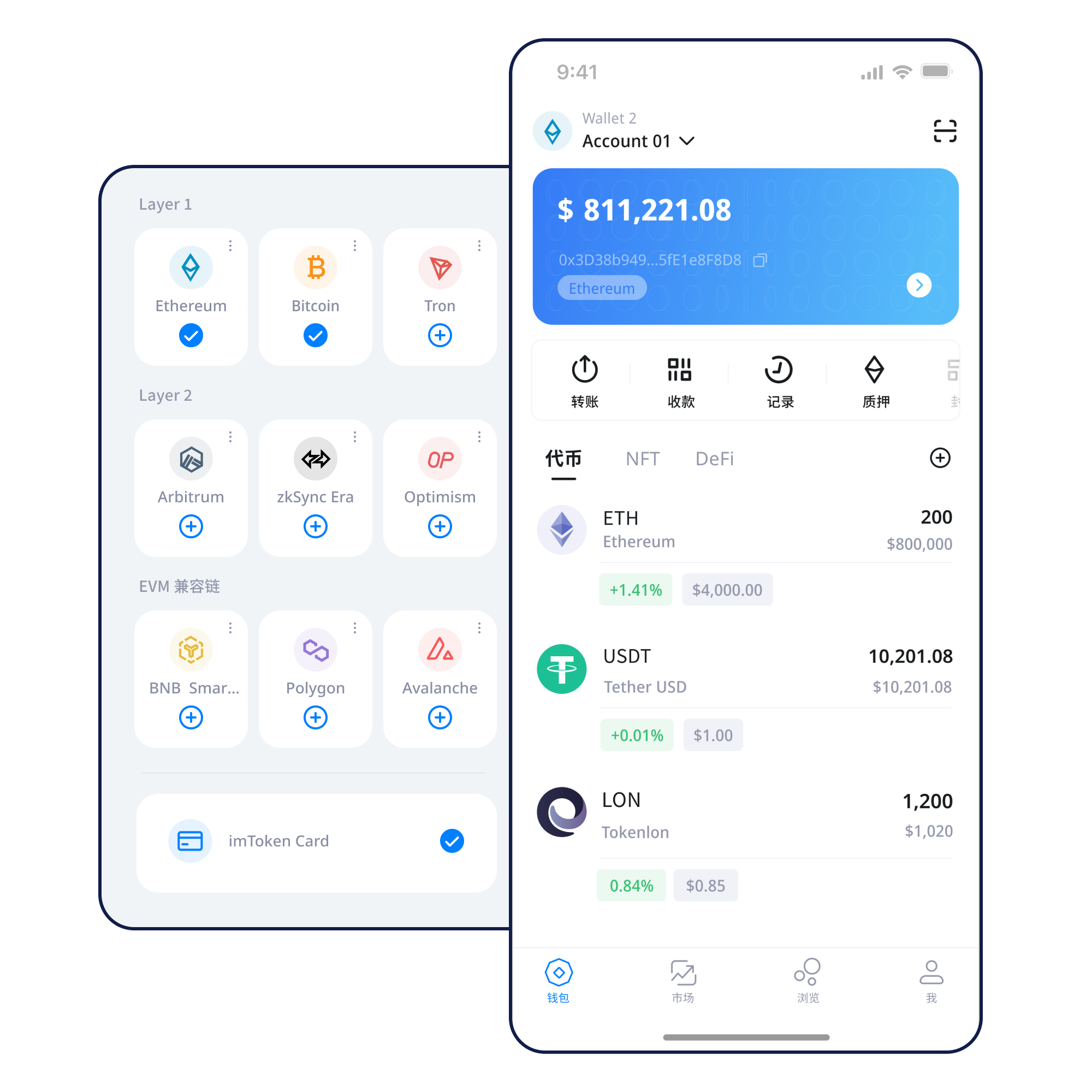
Wallet & Assets combines concepts that are related but should not be collapsed into one generic confirmation. The same account can show different balances, token contracts and histories across separate networks. If everything is treated as a single “approve” step, it becomes easy to miss network identity, permission scope or transaction state. A better learning sequence asks what is happening, who controls the relevant key or contract, where the action will execute, and what public information can confirm the result. Treat “Verify the recipient address” as an independent review step rather than an assumption. Avoid the common failure mode of Trusting token names without checking contracts; it encourages action before the relevant context is understood. imtoken educational pages never require a seed phrase, private key, recovery phrase or verification code.
The practical value of understanding Wallet & Assets is not to add friction; it is to make each action explainable. Receiving starts with an address-and-network check; sending adds amount, fee and recipient verification. Users should be able to distinguish what the wallet displays or signs from what a blockchain, contract or third-party DApp ultimately executes. A useful sequence is source, network, object, permission and result, with “Understand gas and the fee asset” included whenever it is relevant to the request. Avoid the common failure mode of Assuming a UI success message equals final on-chain confirmation; it encourages action before the relevant context is understood. imtoken educational pages never require a seed phrase, private key, recovery phrase or verification code.
A verification-first approach is especially useful for Wallet & Assets. After submission, keep the transaction hash and verify status on the explorer for the actual network used. Familiar names can refer to different networks, contracts or protocol objects, so names help orientation but do not replace network and address checks. Building “Keep the transaction hash” into the workflow reduces mistakes caused by copy-and-paste changes, network switching or a misleading request description. Avoid the common failure mode of Treating similar address formats as one shared asset space; it encourages action before the relevant context is understood. imtoken educational pages never require a seed phrase, private key, recovery phrase or verification code.
Review network, address and asset together
Why “Understand gas and the fee asset” matters
The practical value of understanding Wallet & Assets is not to add friction; it is to make each action explainable. Receiving starts with an address-and-network check; sending adds amount, fee and recipient verification. Users should be able to distinguish what the wallet displays or signs from what a blockchain, contract or third-party DApp ultimately executes. A useful sequence is source, network, object, permission and result, with “Understand gas and the fee asset” included whenever it is relevant to the request. Avoid the common failure mode of Assuming a UI success message equals final on-chain confirmation; it encourages action before the relevant context is understood. imtoken educational pages never require a seed phrase, private key, recovery phrase or verification code.
A verification-first approach is especially useful for Wallet & Assets. After submission, keep the transaction hash and verify status on the explorer for the actual network used. Familiar names can refer to different networks, contracts or protocol objects, so names help orientation but do not replace network and address checks. Building “Keep the transaction hash” into the workflow reduces mistakes caused by copy-and-paste changes, network switching or a misleading request description. Avoid the common failure mode of Treating similar address formats as one shared asset space; it encourages action before the relevant context is understood. imtoken educational pages never require a seed phrase, private key, recovery phrase or verification code.
For Wallet & Assets, ask three questions before acting: which network is active, which address or contract is involved, and what permission or transaction result will this request create? A wallet does not move public-chain assets into the app; balances remain part of the relevant blockchain state. Only after those questions are answered do button labels and status messages become meaningful. In particular, “Confirm the active network” should be consistent with the wallet request, the DApp context and any public on-chain information available. Avoid the common failure mode of Trusting token names without checking contracts; it encourages action before the relevant context is understood. imtoken educational pages never require a seed phrase, private key, recovery phrase or verification code.
- Confirm the active network
- Verify the recipient address
- Understand gas and the fee asset
- Keep the transaction hash
DApps, permissions and ongoing access
Why “Keep the transaction hash” matters
A verification-first approach is especially useful for Wallet & Assets. After submission, keep the transaction hash and verify status on the explorer for the actual network used. Familiar names can refer to different networks, contracts or protocol objects, so names help orientation but do not replace network and address checks. Building “Keep the transaction hash” into the workflow reduces mistakes caused by copy-and-paste changes, network switching or a misleading request description. Avoid the common failure mode of Treating similar address formats as one shared asset space; it encourages action before the relevant context is understood. imtoken educational pages never require a seed phrase, private key, recovery phrase or verification code.
For Wallet & Assets, ask three questions before acting: which network is active, which address or contract is involved, and what permission or transaction result will this request create? A wallet does not move public-chain assets into the app; balances remain part of the relevant blockchain state. Only after those questions are answered do button labels and status messages become meaningful. In particular, “Confirm the active network” should be consistent with the wallet request, the DApp context and any public on-chain information available. Avoid the common failure mode of Trusting token names without checking contracts; it encourages action before the relevant context is understood. imtoken educational pages never require a seed phrase, private key, recovery phrase or verification code.
When working with Wallet & Assets, start by separating interface messages from facts that can be verified on-chain. The same account can show different balances, token contracts and histories across separate networks. A reliable process therefore looks beyond a single button state or asset label and keeps the active network, account, public address and request type in the same context. The goal is not to memorize one screen layout; it is to know which details remain verifiable even when an interface changes. Make “Verify the recipient address” a repeatable checkpoint so the same reasoning still works on another device or after a network switch. Avoid the common failure mode of Assuming a UI success message equals final on-chain confirmation; it encourages action before the relevant context is understood. imtoken educational pages never require a seed phrase, private key, recovery phrase or verification code.
Build a repeatable long-term workflow
Why “Confirm the active network” matters
For Wallet & Assets, ask three questions before acting: which network is active, which address or contract is involved, and what permission or transaction result will this request create? A wallet does not move public-chain assets into the app; balances remain part of the relevant blockchain state. Only after those questions are answered do button labels and status messages become meaningful. In particular, “Confirm the active network” should be consistent with the wallet request, the DApp context and any public on-chain information available. Avoid the common failure mode of Trusting token names without checking contracts; it encourages action before the relevant context is understood. imtoken educational pages never require a seed phrase, private key, recovery phrase or verification code.
When working with Wallet & Assets, start by separating interface messages from facts that can be verified on-chain. The same account can show different balances, token contracts and histories across separate networks. A reliable process therefore looks beyond a single button state or asset label and keeps the active network, account, public address and request type in the same context. The goal is not to memorize one screen layout; it is to know which details remain verifiable even when an interface changes. Make “Verify the recipient address” a repeatable checkpoint so the same reasoning still works on another device or after a network switch. Avoid the common failure mode of Assuming a UI success message equals final on-chain confirmation; it encourages action before the relevant context is understood. imtoken educational pages never require a seed phrase, private key, recovery phrase or verification code.
Wallet & Assets combines concepts that are related but should not be collapsed into one generic confirmation. Receiving starts with an address-and-network check; sending adds amount, fee and recipient verification. If everything is treated as a single “approve” step, it becomes easy to miss network identity, permission scope or transaction state. A better learning sequence asks what is happening, who controls the relevant key or contract, where the action will execute, and what public information can confirm the result. Treat “Understand gas and the fee asset” as an independent review step rather than an assumption. Avoid the common failure mode of Treating similar address formats as one shared asset space; it encourages action before the relevant context is understood. imtoken educational pages never require a seed phrase, private key, recovery phrase or verification code.